Epoxy vs. Urethane Floor Sealing | Why the Best Commercial Floors Use Both
Compare epoxy and urethane performance attributes. Discover why combining these resins creates the ultimate long-term commercial flooring system.
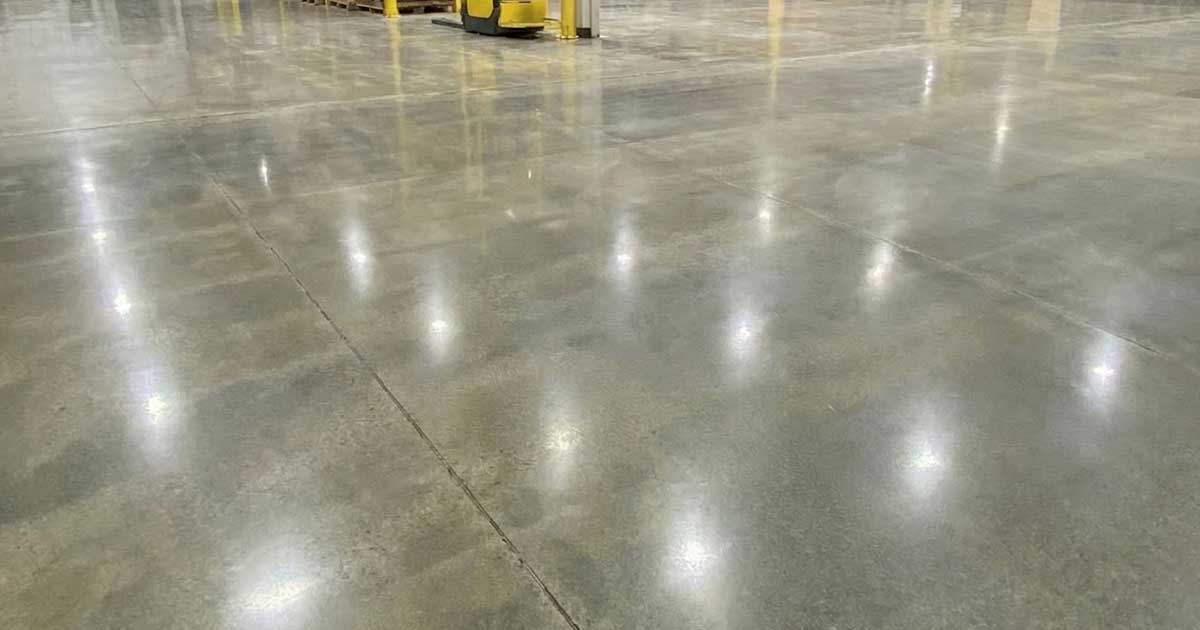
The Complementary Chemistry of Resinous Floor Systems
Commercial flooring projects in Phoenix warehouses, clinics, and school classrooms are highly demanding. To build a system that lasts for years, experienced contractors combine different resins instead of relying on a single material. Epoxy and polyurethane have very different strengths, and they perform best when used together.
Looking for Commercial Resinous Flooring in Phoenix?
Engineered high-solids polymer finishes, decorative metallic systems, and quartz mortars optimized for commercial traffic. Don't deal with chipping retail materials—get commercial reliability backed by our written warranty.
Epoxy Basecoats and Polyurethane Topcoats
Epoxy is the ideal base coat because of its exceptional structural thickness and ability to bond with mechanical concrete pores. However, epoxy is vulnerable to UV light yellowing and surface scratching. Polyurethane, while too thin to serve as a base coat, is extremely hard and UV-stable. Applying a high-solids polyurethane topcoat over the epoxy basecoat creates a highly durable system.
How the Epic Dual-Layer Coating Performs:
- Epoxy acts as a primer, filling concrete pores and establishing a solid mechanical foundation.
- Polyurethane shields the floor against tire wear, impact, and chemical stains.
- Urethane topcoats resist high UV exposure, preventing yellowing and fading.
- Creates a seamless and easy-to-clean system that lowers commercial cleaning costs.
Speak to an Estimator Today
Stop guessing what will actually hold up. Let us bring commercial performance to your project.