Paver and Flagstone Sealing in Arizona: Efflorescence, Joint Sand, and Wet Look vs Natural Finish
Plan Arizona paver and flagstone sealing around efflorescence, joint sand loss, wet-look vs natural finish choices, UV exposure, stains, and realistic maintenance.
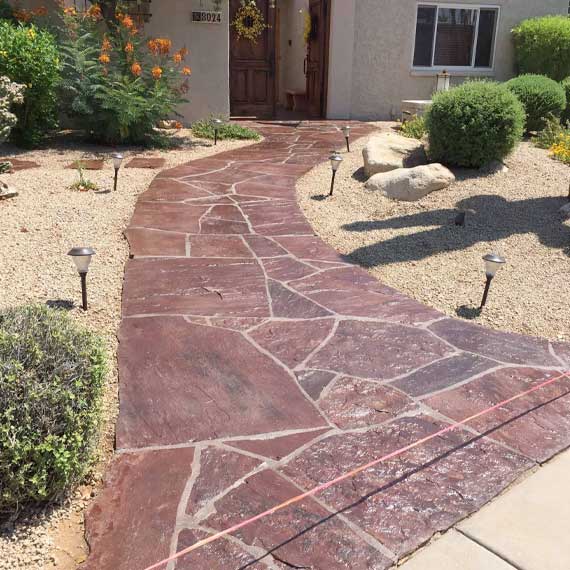
Why Arizona Pavers and Flagstone Need a Sealing Plan
Pavers and flagstone age differently in Arizona than they do in milder climates. Sun exposure, irrigation overspray, dust, monsoon moisture, pool chemicals, oil drips, tannins, and mineral deposits can all change the color and surface feel of exterior hardscaping.
A good sealing project is not just a quick gloss coat. It should start with surface condition, existing sealer, stone or paver porosity, drainage, joint sand condition, stain history, and the finish the owner actually wants to see every day.
Looking for Polymer Cementitious Overlays in Phoenix?
Restore damaged, cracked, or crumbling patios and entryways without heavy slab demolition using thin hybrid polymer concrete veneers. Don't deal with chipping retail materials—get commercial reliability backed by our written warranty.
Efflorescence and Mineral Residue
Efflorescence is the white or chalky mineral residue that can show up on pavers, stone, grout lines, and concrete. It often becomes more visible after moisture moves through or across the surface and leaves salts behind as it dries.
Sealer should not be used to hide active residue without proper cleaning and evaluation. If efflorescence, hard-water staining, or irrigation minerals are present, the estimate should account for cleaning, rinsing, dry time, and whether remaining marks are cosmetic or likely to affect finish consistency.
Efflorescence planning should include:
- Checking irrigation overspray and drainage patterns
- Identifying old sealer, haze, or trapped residue
- Cleaning and allowing the surface to dry before sealing
- Setting expectations for stubborn mineral staining
- Choosing a finish that will not exaggerate inconsistent areas
Joint Sand Stabilization
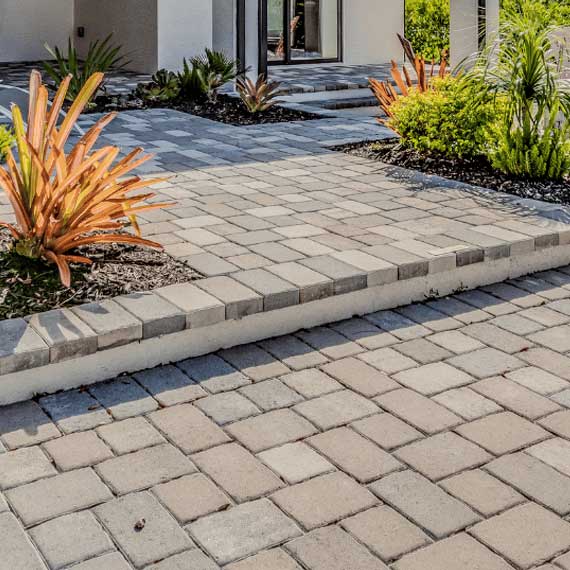
Loose or missing joint sand can make a paver surface look tired even when the pavers themselves are still in good shape. Wind, rain, pressure washing, traffic, irrigation, and age can pull sand out of the joints and leave gaps for movement, debris, and weed pressure.
A paver sealing scope should look at whether joints need cleaning, sand touch-up, polymeric sand, or a different stabilization approach before sealer is applied. The goal is a cleaner, more stable surface, not a promise that exterior joints will never move or collect debris again.
Joint sand matters most when the surface has:
- Visible gaps between pavers
- Loose sand tracking onto patios, walks, or driveways
- Weed pressure or ant activity around joints
- Pavers that rock, shift, or hold standing water
- Recent pressure washing that removed too much joint material
Wet Look vs Natural Finish
A wet-look sealer can deepen color and add sheen, which many homeowners like on faded pavers, decorative stone, and entry hardscapes. It can also make color variation, texture, and previous staining more noticeable, especially in direct sun.
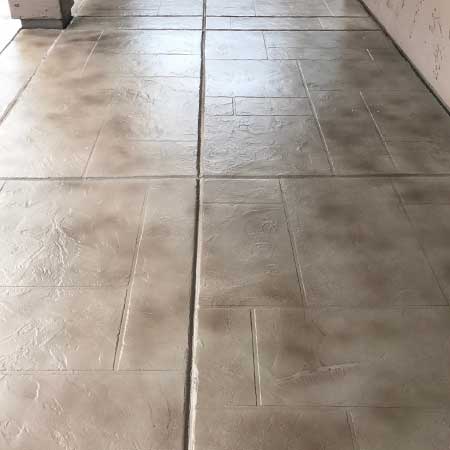
A natural or matte finish is usually quieter. It can help protect and refresh the surface without making the hardscape look glossy or darker than the surrounding stucco, roof tile, landscape stone, or HOA-approved exterior palette.
Finish choice should consider:
- How dark the surface looks when damp
- Whether glare will be an issue in full sun
- HOA or neighborhood finish expectations
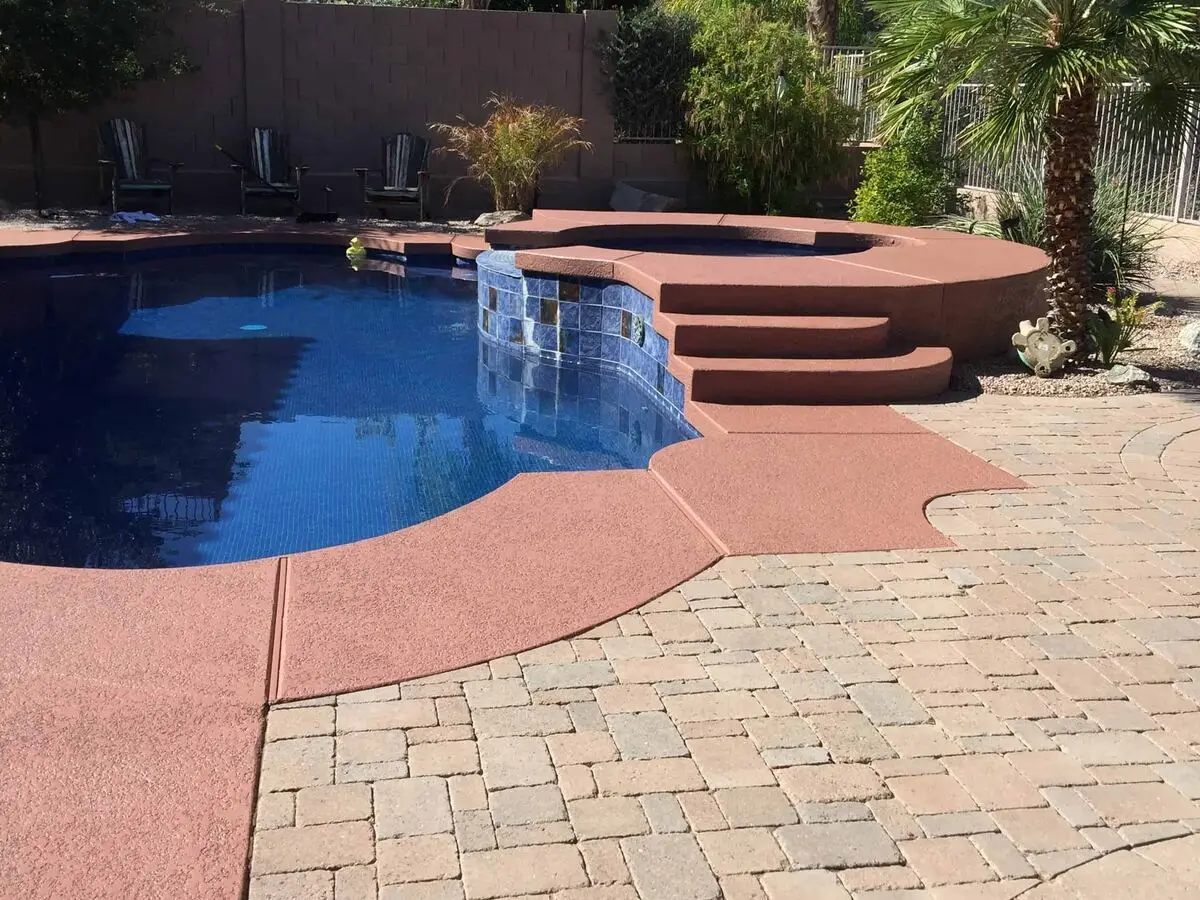
- Poolside traction and wet-area use
- How much color enhancement the owner actually wants
Stains, UV, Irrigation, and Pool Exposure
Sealer can help reduce absorption from oil, food spills, leaf tannins, irrigation minerals, and pool-area exposure, but it is not a force field. Older stains, rust, fertilizer marks, tire residue, and deep oil contamination may still need separate treatment or may remain partly visible.
Arizona UV also affects appearance over time. Product selection should account for sun exposure, desired sheen, traffic, and maintenance expectations. A finish that looks rich on day one should also have a realistic plan for cleaning and future resealing.
Prep, Dry Time, and Reseal Timing
The best-looking paver and flagstone sealing projects usually come down to prep and timing. Cleaning, stain treatment, joint work, drying, masking, application rate, and weather windows all affect the final result.
Reseal timing depends on traffic, sun, water exposure, surface porosity, and the sealer used. Instead of treating resealing as a fixed calendar promise, Carefree Stone evaluates signs like dulling, quick water absorption, loose joint sand, fading, and surface wear.
How to Scope a Paver or Flagstone Sealing Project
Start with wide photos, closeups of white residue or stains, the age of the surface, whether it has been sealed before, irrigation exposure, joint condition, and the finish preference: natural, satin, or wet look. Photos of the surface both dry and lightly damp can help show how much color enhancement is desired.
From there, Carefree Stone can recommend cleaning, joint sand touch-up, finish type, sealer approach, and a practical maintenance plan for Arizona sun, dust, water, and traffic.
Project Gallery
Review related project photos and surface details referenced in this article.
More Concrete Resurfacing Articles
What to Expect After You Request an Estimate: Scheduling, Timeline, and Prep
Concrete ResurfacingAre Epoxy and Concrete Coatings Safe Indoors? VOCs, Odor, and Occupied Spaces
Concrete ResurfacingConcrete Driveway Coatings in Phoenix: Hot Tires, Oil Stains, UV, and HOA Finish Choices

Jeff Newcombe
Owner & Lead Coatings Specialist
Jeff Newcombe is the owner of Carefree Stone. For over 40 years, he has helped Arizona homeowners and business owners transform their concrete surfaces with high-performance epoxy garage flooring, Kool Deck pool deck restoration, and custom resinous overlays tailored for the desert climate.
Learn more about Jeff →Speak to an Estimator Today
Stop guessing what will actually hold up. Let us bring commercial performance to your project.