Healthcare and Lab Epoxy Flooring in Arizona: Infection Control, Cove Base, and ESD Options
Plan healthcare, clinic, and lab resinous flooring around cleanability, cove base, chemical exposure, ESD needs, dust control, and active-facility shutdown windows.
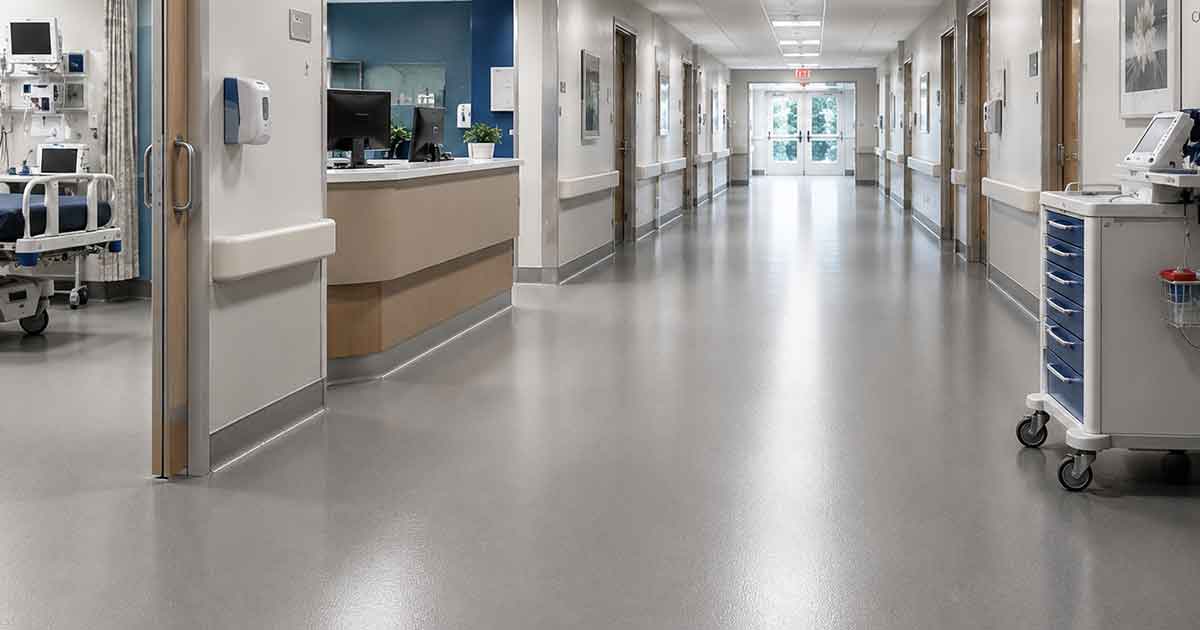
Why Healthcare and Lab Floors Need Area-by-Area Planning
Healthcare and lab flooring should not be specified like a generic commercial coating. A corridor, clinic treatment room, diagnostic room, lab, pharmacy support area, and utility room can all face different traffic, chemical, cleaning, odor, static-control, and downtime requirements.
For Arizona hospitals, outpatient clinics, medical offices, dental suites, veterinary clinics, laboratories, and clean interior spaces, the flooring plan should start with the room use, existing slab condition, facility policy, and shutdown window. The goal is to support a cleanable, durable surface without creating a specification that is too light for the environment or too disruptive for the operation.
Looking for Commercial Resinous Flooring in Phoenix?
Engineered high-solids polymer finishes, decorative metallic systems, and quartz mortars optimized for commercial traffic. Don't deal with chipping retail materials—get commercial reliability backed by our written warranty.
Cleanability and Infection-Control Support
CDC environmental infection-control guidance treats floors as housekeeping surfaces that need facility-defined cleaning schedules, prompt cleanup of spills, and materials appropriate to the use area. That does not mean a floor coating prevents infection by itself. It means the floor should support the facility's cleaning and disinfection program.
Resinous epoxy, polyurethane, urethane cement, and related floor systems can help by reducing open joints, absorbent surfaces, loose transitions, and hard-to-clean failure points. The right system still depends on traffic, disinfectants, wet areas, chemical exposure, maintenance methods, and the authority or facility standard governing the space.
Healthcare flooring review items should include:
- Room use, cleaning frequency, and disinfectant exposure
- Whether the area is wet, dry, clinical, utility, lab, or public-facing
- Existing tile, mastic, coating, cracks, moisture, or slab contamination
- Rolling loads from beds, carts, equipment, chairs, or medical devices
- Odor, dust-control, access, and return-to-service constraints
Integral Cove Base and Clean Wall Transitions
Wall transitions are one of the most important details in healthcare and lab flooring. Open base joints, failed caulk, loose vinyl base, and cracked tile edges can create places where moisture and soil collect.
An integral cove base can turn the floor-to-wall transition into a more continuous, cleanable detail. It is not needed in every room, but it should be reviewed in wet areas, procedure support spaces, labs, utility rooms, restrooms, janitorial areas, and locations where repeated mopping or spray-down cleaning reaches the wall line.
Chemical Resistance and Lab Exposure
Labs and healthcare support spaces can expose floors to disinfectants, alcohols, peroxide-based cleaners, stains, reagents, bodily fluids, animal-care soils, and other chemicals depending on the facility. A decorative garage-style coating may look clean on day one but fail early if the topcoat is not matched to the exposure.
Carefree Stone reviews chemical exposure, cleaning methods, splash zones, and maintenance expectations before recommending a system. In some spaces, a high-performance urethane or chemical-resistant topcoat is more important than the base color. In heavier wet or thermal-shock areas, urethane cement may be more practical than a thin film coating.
System selection can change when the space has:
- Frequent disinfectant or sanitizer exposure
- Reagent, stain, solvent, or chemical splash potential
- Wet utility rooms, lab wash areas, or animal-care support spaces
- High rolling loads from carts, beds, and equipment
- Existing moisture, slab damage, or failed flooring removal
ESD Options for Static-Sensitive Rooms
Some diagnostic, electronics, imaging-adjacent, pharmacy, and lab spaces may need electrostatic dissipative flooring. ESD systems are designed to help manage static charge when the room use, equipment, and facility requirements call for it.
ESD flooring is not a universal upgrade. It should be specified only after confirming the room purpose, equipment sensitivity, grounding expectations, maintenance routine, and whether the facility needs documentation or testing as part of its flooring standard.
Dust, Odor, and Shutdown Planning
In active healthcare environments, the installation plan matters as much as the finished floor. Concrete preparation can create dust if it is not controlled, coating materials can have odor considerations, and cure windows need to be coordinated around patients, staff, equipment, and inspections.
A practical project plan should define containment, HEPA-assisted preparation where appropriate, access routes, equipment movement, phases, cure time, and reopening expectations before work begins. That is especially important when a facility cannot simply shut down an entire wing or suite for several days.
How to Scope a Healthcare or Lab Flooring Project
The best healthcare flooring estimate should be room-specific. Share photos of the existing floor, wall base, cracks, drains, wet areas, equipment, failed tile or coating, and any areas where cleaning or static-control issues are already showing up.
From there, Carefree Stone can recommend a resinous flooring path for the actual facility: cleanable cove details where needed, chemical-resistant topcoats, optional ESD systems, low-odor scheduling, and a realistic return-to-service plan.
More Commercial Flooring Articles
Commercial Kitchen Epoxy Flooring in Arizona: Shutdowns, Slip Resistance, and Health Department Requirements
Commercial FlooringWarehouse Floor Coating Cost in Phoenix: Epoxy vs Polished vs Sealed Concrete
Commercial FlooringEpoxy vs. Urethane Floor Sealing | Why the Best Commercial Floors Use Both

Jeff Newcombe
Owner & Lead Coatings Specialist
Jeff Newcombe is the owner of Carefree Stone. For over 40 years, he has helped Arizona homeowners and business owners transform their concrete surfaces with high-performance epoxy garage flooring, Kool Deck pool deck restoration, and custom resinous overlays tailored for the desert climate.
Learn more about Jeff →Request A Commercial Project Review
Send facility type, square footage, schedule, substrate photos, and scope notes so our team can review the right commercial system.